
I Built My Whole Checkout on Lemon Squeezy, Then Walked Away From It
The store was finished, the buttons were wired, and not one order ever went through. Months later I found out why, in an email I had missed: calendars are a prohibited category.
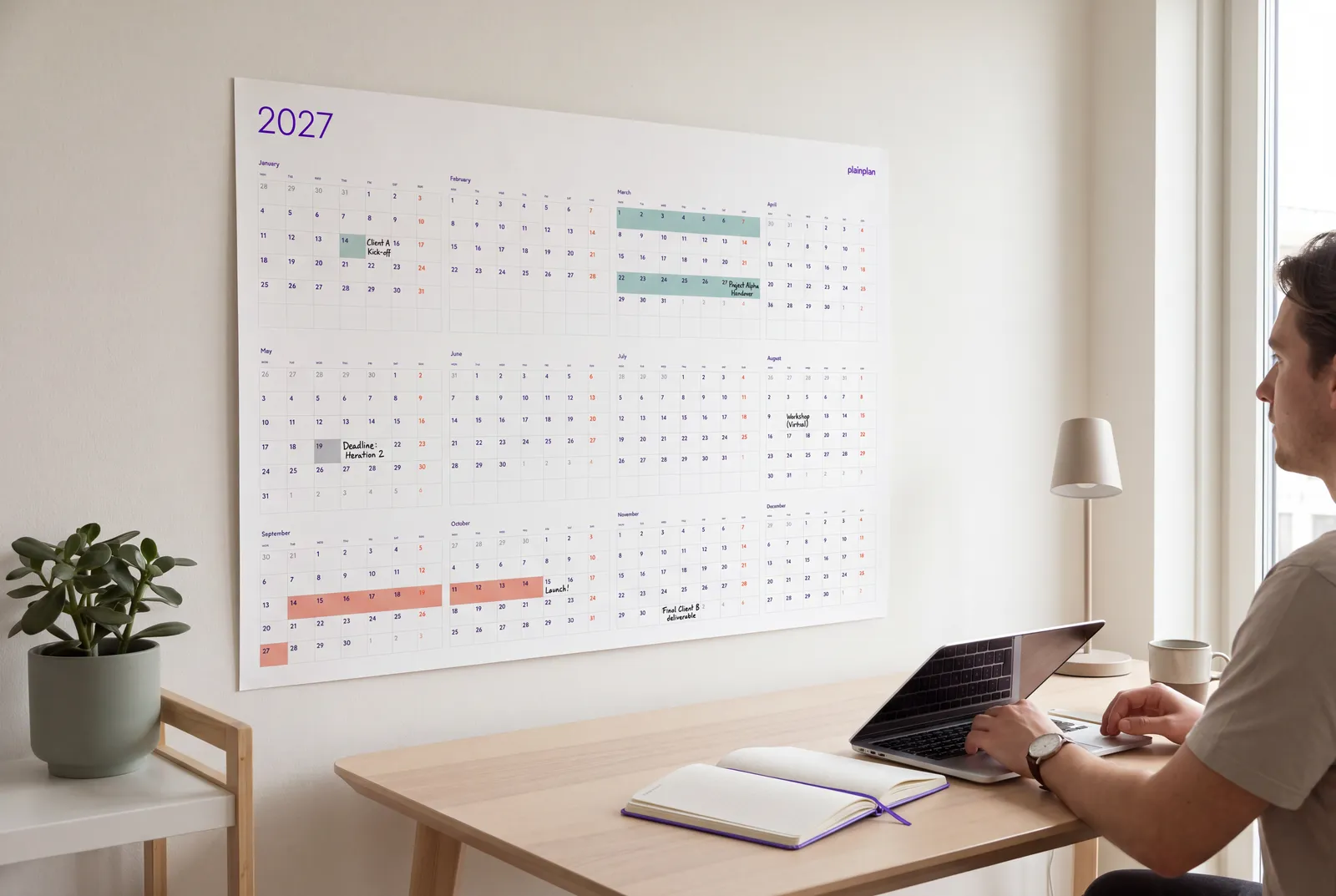
The Store I Actually Built
I run plainplan alone. I design the planners, I write the pages, I wire the buttons, and I answer the emails. So when I picked a payment provider, I picked one and went all in, because I do not have the time to keep two of anything running.
The Lemon Squeezy setup was complete. One product with two variants: the 2026 planner at $0.00 as the free file, and the 2027 planner at $6.99. The ZIP files were attached per variant, which is the part people get wrong, since files in Lemon Squeezy hang off the variant and not the product. The confirmation modal and the receipt email were written year-neutral - “Download your planner” - so I would not have to rewrite them every December.
Then I rewired the site. Ninety-five buy buttons across the pagedata files, every locale, every landing page, all pointing at the two checkout URLs. That is the boring part of running a shop, and I finished it.
Activation Never Came
A new Lemon Squeezy store starts in test mode. Before it can take real money, the store has to be activated. I submitted the request and waited.
It did not arrive. I followed up, more than once, and heard nothing back. At the time I had no explanation, so I stopped guessing and started looking for a way out.
What I do know is the state my site was in during that wait. Ninety-five buttons pointing at a checkout that looked completely normal from the outside and could not be completed by anyone. The store front was open. The till was not connected.
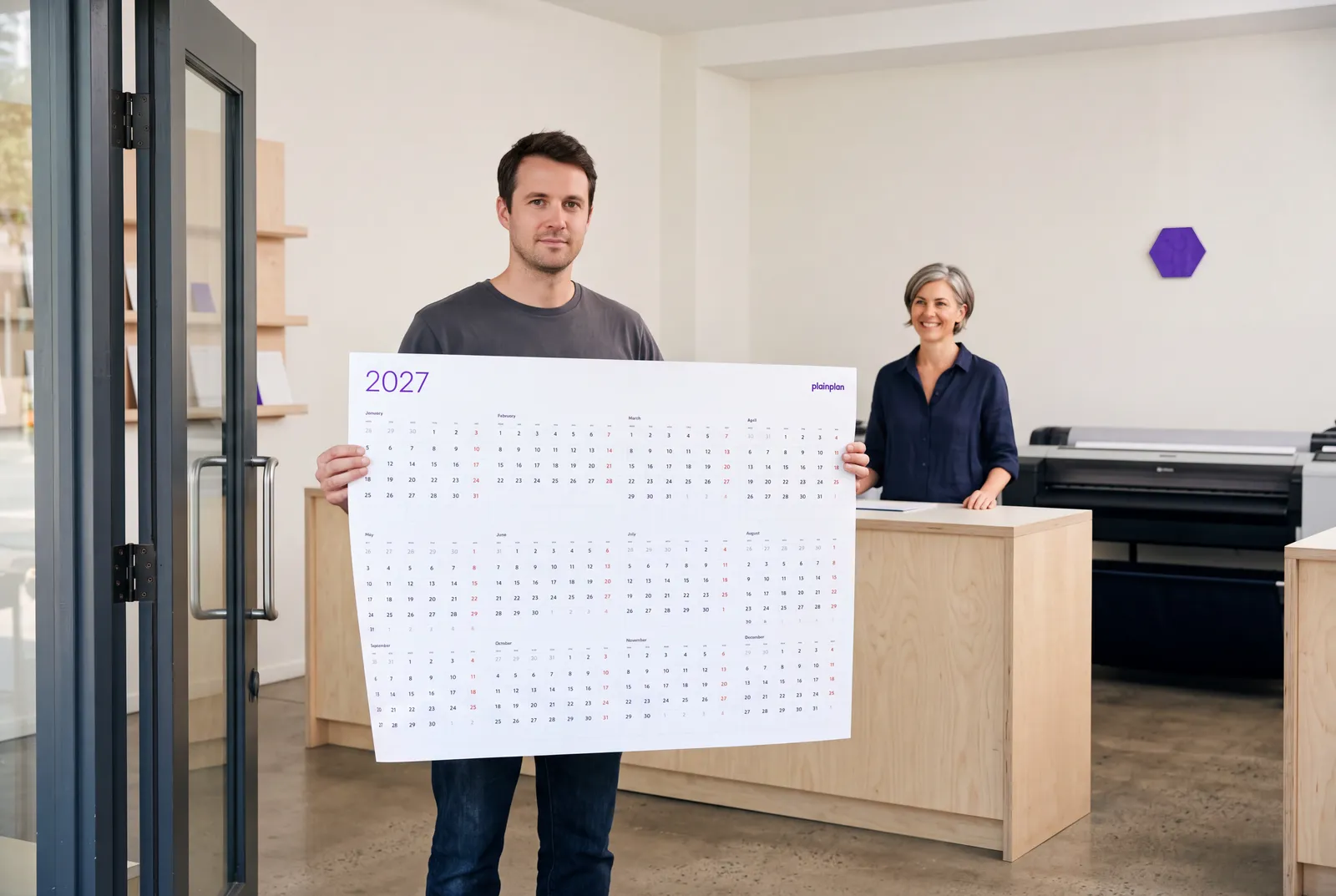
Two People Who Got Nothing
The thing that ended it was not the waiting. It was two real people.
Two visitors tried to get the free 2026 planner through that test-mode checkout. Free. No card, no risk, nothing for them to lose except the two minutes they spent trying. They got nothing. No file, no email, no planner.
That is the moment the decision stopped being about a tool and started being about my shop. Somebody wanted the thing I made, went to get it, and my site handed them an empty box. I can live with a slow rollout. I cannot live with that.
Trustpilot, Polar, and Then Gumroad
After that I did the check I should have done before I wired anything: I looked at what other sellers were saying. Lemon Squeezy sat at 1.2 out of 5 on Trustpilot. Ratings are not the whole truth about a company, and a support platform attracts unhappy people by definition, but 1.2 is not noise either. It told me my experience was not some freak one-off.
I looked at Polar next and dropped it fairly quickly. The ratings were poor there too, and a price increase was on the way. Trading one uncertain provider for another uncertain provider is not a decision, it is a coin flip.
I moved to Gumroad. Partly because the checkout works and I could test it end to end myself, and partly because Gumroad is also a marketplace. That mattered more than it sounds. One move solved my checkout problem and gave me a second place where people can actually find the planner, and for a one-person shop, one move solving two problems is the whole game.
Around the same time I opened an Etsy shop as well. The first sale landed within twenty-four hours of publishing the listing. That is not a sales lesson, it is a distribution lesson: being where the buyers already are beats being technically ready in a place nobody visits.
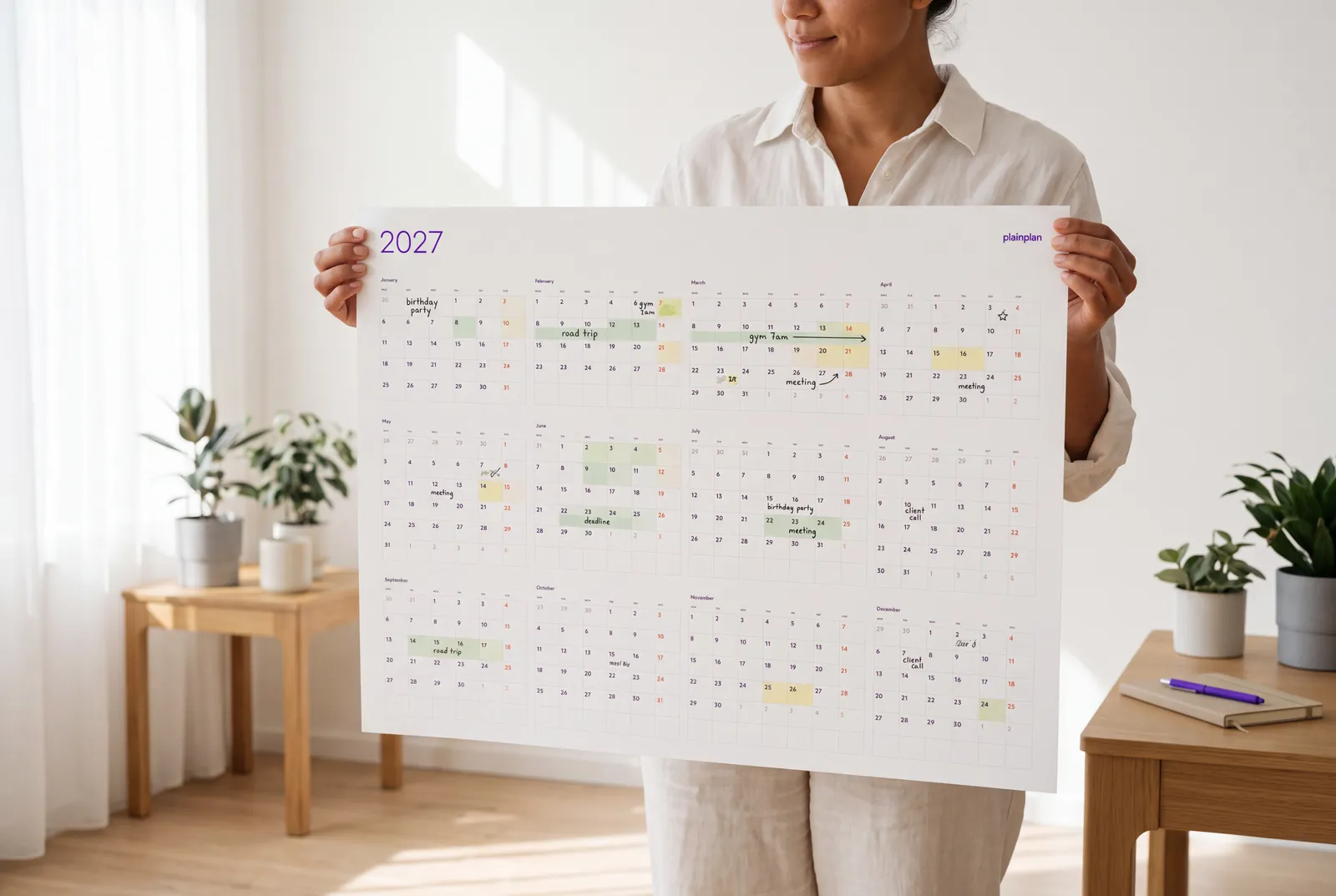
Try 2026 for free
before you buy 2027
One file. Any wall. Always sharp.
The Answer Was in My Inbox
Months after I had moved everything to Gumroad, the explanation turned up. Lemon Squeezy had replied after all, back in January, and I had missed it. The message was short: calendars are a prohibited category on their platform.
So the store was never going to activate. Not slowly, not eventually. I had spent that whole stretch refreshing a dashboard and writing follow-ups about a queue I was never in, and the answer had been sitting in my inbox the entire time.
Half of that is on me. An email arrived and I did not read it carefully enough, and no amount of annoyance changes that. The other half is a design decision somebody made: I was allowed to create the store, upload the files, attach them per variant, write the receipts and request activation, all inside a category the platform does not sell. Every one of those steps was a place to say no. A banner in the dashboard, a note on the product form, a line in the activation request. Instead the only place it existed was an email.
There is a version of this where I find that email in January, shrug, and lose one evening. Same outcome, six months earlier, and two people get their free planner.
What the Switch Actually Cost
Rewiring ninety-five buttons to Gumroad took me one afternoon. That was the entire cost of leaving. Waiting cost me two customers and about six months of a shop that could not sell.
So here is what I would tell anyone building a small shop. First, read the prohibited categories before you build anything. It is a boring page in the documentation and it decides whether your business can exist on that platform at all. I never opened it, and everything that went wrong afterwards flows from that one skipped step.
Second, test the whole chain with a real purchase before you point your site at it. Not the checkout page, not the dashboard preview - a real order, all the way to the file landing in an inbox. I built a beautiful setup and pointed my entire site at it before I had ever seen a single completed order come out the other end.
Third, a payment provider is infrastructure, not a feature. You judge infrastructure by what happens when it breaks. A platform that lets you build a complete store in a category it does not allow, and says so only if you find the right email, is not infrastructure you want underneath a business.
Fourth, the switching cost is almost always smaller than you fear and the waiting cost is almost always larger than you think. An afternoon of rewiring against two people who came for a free file and left empty-handed. That is not a close call. I should have made it sooner.
Frequently asked questions
Not really. The product itself was pleasant to build on and the variant structure did exactly what I needed. What I hold against them is the order things happened in: I could build a complete store, attach files, write receipts and wire ninety-five buttons in a category they do not allow, and the only signal was one email I had to find myself. A blocked category belongs in the dashboard on day one, not in an inbox.
Gumroad for the direct download - the 2026 planner is free and the 2027 planner is $6.99 - and the Etsy shop if you prefer buying there. Both deliver the same files: every language and every print format in one ZIP.
No. Nobody was charged and nothing needed refunding, because the store never processed a real order. What was lost was two people’s time and their free 2026 planner, which is why I switched instead of waiting longer.
Four things now, in this order. Are my products allowed on the platform at all? Can I complete a real end-to-end purchase myself, with the file arriving in my inbox? Do other sellers report getting answers from support? And how long would it take me to leave if I had to? The first one takes five minutes and would have saved me the other three.
